
Should You Overpay Your Mortgage?
Overpaying is one of the few financial decisions where the maths is genuinely on your side and the answer still isn't automatically yes.
Here's what it does, what it's worth, and when your money is better off somewhere else.
What overpaying actually does
Mortgage interest is charged on what you owe. Pay some capital off early and every future month's interest is calculated on a smaller balance. The saving compounds quietly for the rest of the term, which is why small regular overpayments do far more than people expect.
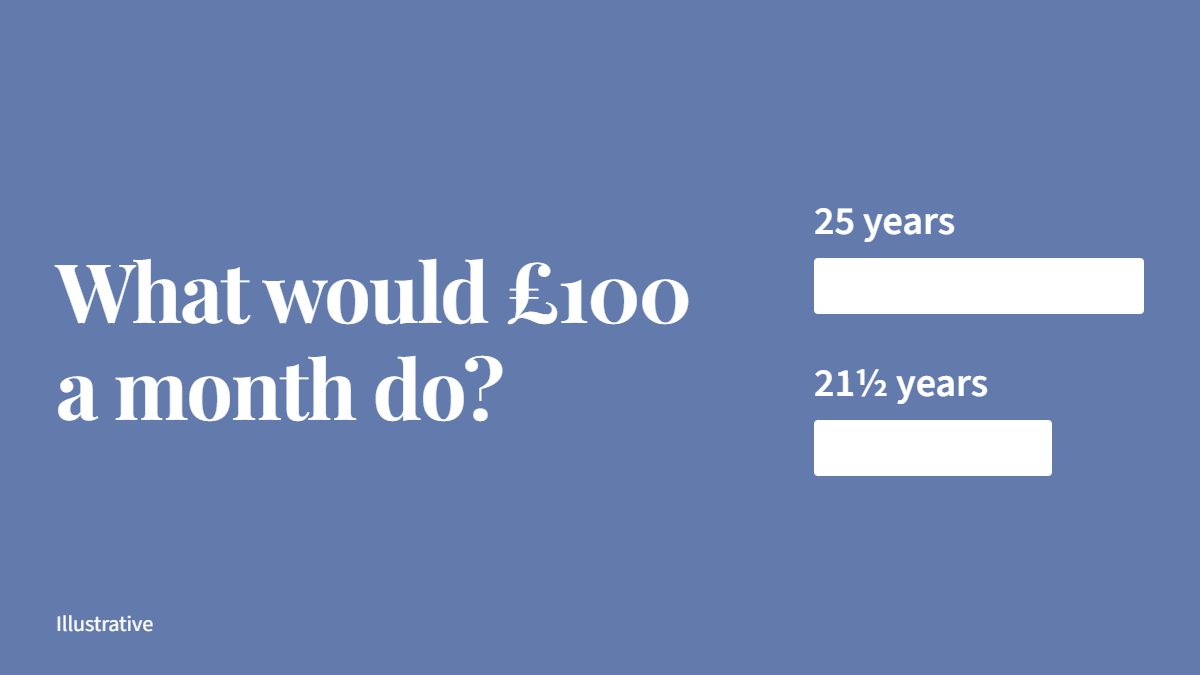
What £100 a month is worth
Take a £200,000 mortgage over 25 years at an illustrative 4.5%. The monthly payment is around £1,112, and over the full term you'd pay roughly £133,500 in interest.
Add £100 a month.
The mortgage clears in about 21 years and 6 months instead of 25, and the total interest drops to roughly £112,400. You've saved around £21,100 and three and a half years, by putting aside £100 a month.
Put differently: the £100 a month you contribute over that shorter period comes to about £25,800, and it removes £21,100 of interest. Very little else offers a guaranteed return like that.
(All figures illustrative and assume the rate stays the same for the whole term, which in practice it won't. The direction of the effect holds regardless.)
The 10% rule
Most fixed-rate mortgages let you overpay up to 10% of the outstanding balance each year without penalty. Go beyond it and you'll usually pay an early repayment charge on the excess.
Two things follow. First, on most mortgages there's plenty of headroom, since 10% of a £200,000 balance is £20,000 a year and almost nobody overpays at that level. Second, if you're expecting a lump sum such as a bonus or an inheritance, check your allowance before you pay it in, and check when your allowance year resets, because splitting a payment across two allowance years can avoid a charge entirely.
Once you're on a standard variable rate or a tracker without early repayment charges, you can usually overpay without limit.
Shorten the term or cut the payment?
When you overpay, most lenders will ask what you want the benefit to be. Reducing the term is what generates the interest saving in the example above. Reducing the future monthly payment keeps you on the original end date and simply lowers what you pay.
Reducing the term saves you much more. Reducing the payment gives you more flexibility if money gets tight. There's no universally correct answer, but if nobody asks you, ask them, because the default isn't always the one you'd have chosen.
When not to overpay
Four situations where the money should go elsewhere first.
You have more expensive debt. A credit card at 24% or a car finance agreement at 12% costs you far more than a mortgage at 4.5%. Clear those first. Overpaying a mortgage while carrying a credit card balance is a guaranteed way to lose money.
You have no emergency fund. Money paid into your mortgage is very hard to get back out. Once it's gone into the property it takes a remortgage or a further advance to retrieve, and if your circumstances have changed by then you may not qualify. Three to six months of essential outgoings in an accessible account comes first.
Your savings pay more than your mortgage charges. If you can earn more after tax in a savings account than your mortgage rate costs you, saving beats overpaying while that gap holds. Keep an eye on it, because it flips when rates move.
Your employer matches pension contributions and you're not taking it. An employer match is an immediate return that no mortgage overpayment gets close to.
One more option
If you have significant savings that you want to keep accessible, an offset mortgage can be worth looking at. Your savings sit in a linked account and reduce the balance you pay interest on, without you actually handing the money over. You can still get at it. Rates on offset products are typically a little higher, so it's a question of whether the flexibility is worth the difference.
Where I come in
Whether overpaying is your best move depends on the rest of your finances, not just your mortgage. I'm a qualified accountant as well as a mortgage adviser, so working out where a spare £100 a month does the most good is a conversation I'm happy to have, even when the answer is that it shouldn't go anywhere near your mortgage.
Your home may be repossessed if you do not keep up repayments on your mortgage.