
Shared Ownership Mortgages Explained
Shared ownership gets dismissed a lot, usually by people who haven't run the numbers on it. It's also oversold by people with an interest in selling it. It's worth understanding properly, explained by an independent adviser.
How it works
You buy a share of a property, typically between 10% and 75%, and pay rent to a housing association on the share you don't own. You take out a mortgage on your share only.
The share you buy is yours. You can buy more over time, a process called staircasing, and in most cases you can eventually own the property outright.
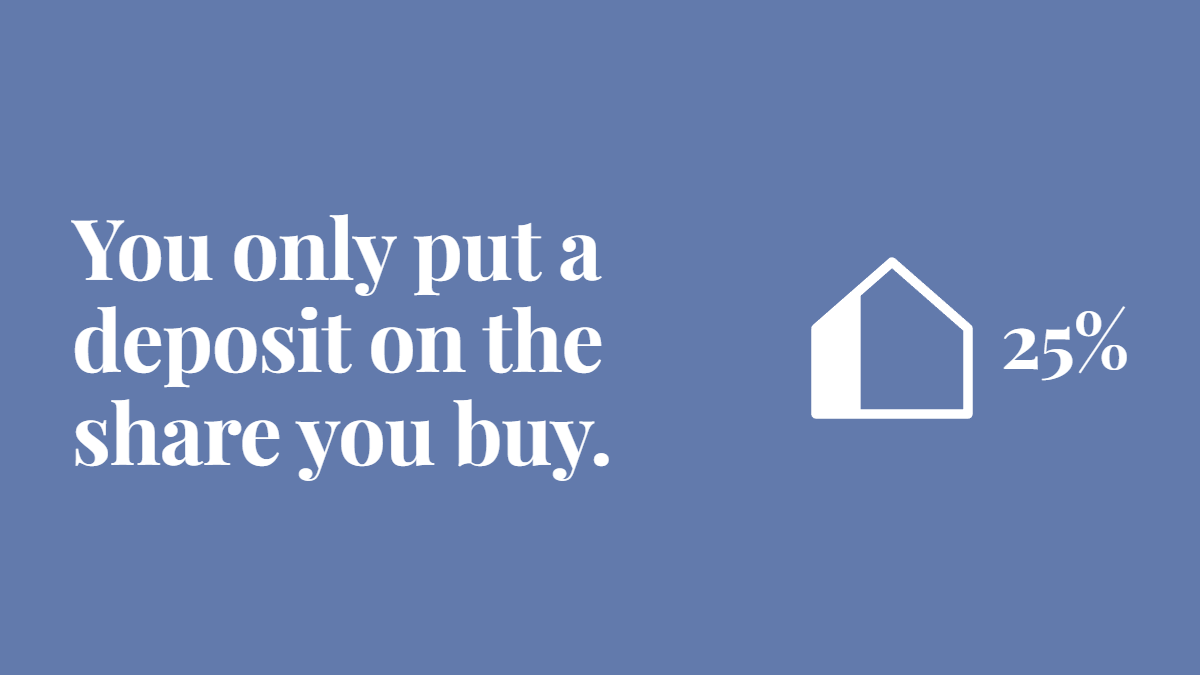
The deposit is the point
This is what makes shared ownership work for people who can't buy any other way.
On a £250,000 property where you buy a 25% share, you're buying £62,500 of property. A 5% deposit on that share is £3,125, not £12,500.
Your mortgage is £59,375, so the monthly mortgage payment is proportionally smaller too. Both the barrier to entry and the monthly commitment come down together.
What it actually costs each month
Three payments, and this is the part that gets skipped in the sales conversation:
- The mortgage on your share
- Rent to the housing association on the share you don't own
- A service charge, and on flats this can be substantial
Add all three together before you compare shared ownership to renting or to buying outright. The mortgage payment on its own is a misleading number.
Rent on the unowned share is typically set at a percentage of its value each year and rises annually under a formula set out in the lease. Ask what that formula is before you sign, and ask for the service charge history for the last three years rather than the current figure.
Staircasing
Homes under the shared ownership model lease introduced with the 2021 to 2026 Affordable Homes Programme come with terms designed to make this easier:
- You can buy additional shares in increments of as little as 1% a year for the first 15 years, with no admin fee on those purchases
- Leases run for a minimum of 990 years, which removes the short-lease problem that made older shared ownership properties hard to mortgage
- The landlord contributes up to £500 a year towards qualifying internal repairs for the first 10 years
Older shared ownership leases don't necessarily carry these terms, so if you're buying a resale rather than a new home, check which lease you're getting. It matters more than the asking price.
Each staircasing purchase is at the property's value at that time, so if prices rise, buying more costs more.
The drawbacks, stated plainly
You're paying rent as well as a mortgage, so your total monthly cost may not be lower than renting outright. Sometimes it is, sometimes it isn't.
You only benefit from price growth on the share you own. If the property goes up £30,000 and you own 25%, you've gained £7,500, not £30,000.
Selling can take longer. The housing association usually has a period in which it can find a buyer before you can market it openly, and the pool of buyers is smaller.
Fewer lenders offer shared ownership mortgages than standard ones, so the choice of rate is narrower.
Service charges on flats can rise in ways you don't control.
Stamp duty
You can usually choose between paying stamp duty on the full market value of the property upfront, or paying in stages as you staircase. Which works out cheaper depends on the value, your first-time buyer status and whether you expect to staircase. Your solicitor will run both, and it's worth asking them to show you the comparison rather than just picking one.
Who it suits
People whose income supports the monthly cost but who can't bridge the deposit gap on a full purchase, and who plan to stay put long enough for the transaction costs to be worth it. It's a poor fit if you expect to move within a couple of years.
Where I come in
Not every lender offers shared ownership, and their criteria differ more than they do on standard purchases. I'll look at whether shared ownership genuinely beats your alternatives once all three monthly payments are counted, which is a calculation the sales suite won't do for you.
Your home may be repossessed if you do not keep up repayments on your mortgage.